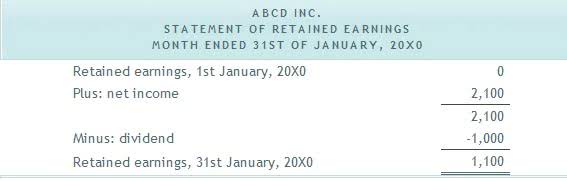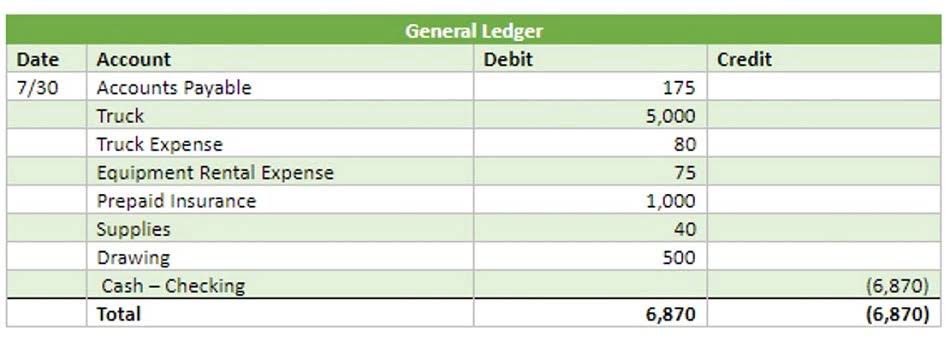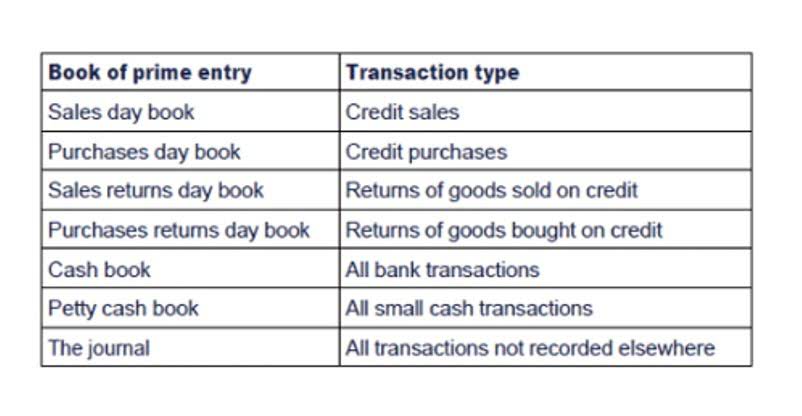
The closing entries are the journal entry form of the Statement of Retained Earnings. The goal is to make the posted balance of the retained earnings account match what we reported on the statement of cash flow retained earnings and start the next period with a zero balance for all temporary accounts. Closing the books is the process of bringing the balance of all temporary accounts to zero by posting closing entries. This process is done at the end of the accounting period after adjusting entries and financial statements have been prepared. Since temporary accounts are already closed at this point, the post-closing trial balance will not include income, expense, and withdrawal accounts. It will only include balance sheet accounts, a.k.a. real or permanent accounts.
- This process resets the temporary accounts to zero and prepares the books for the next period.
- The income statement, or profit and loss account, displays revenues and expenses over a specific period.
- Accurate post-closure reporting is critical for ensuring compliance with legal requirements and for providing a clear picture of the business’s final financial state.
- The primary purpose of closing entries is to clear out temporary account balances.
- Although it is not an income statement account, the dividend account is also a temporary account and needs a closing journal entry to zero the balance for the next accounting period.
Closing income accounts
This document lists all accounts with their balances, including assets, liabilities, and equity accounts. The $9,000 of expenses generated through the accounting period will be shifted from the income summary to closing entries the expense account. The $10,000 of revenue generated through the accounting period will be shifted to the income summary account. In this example, the business will have made $10,000 in revenue over the accounting period.

Temporary vs Permanent Accounts
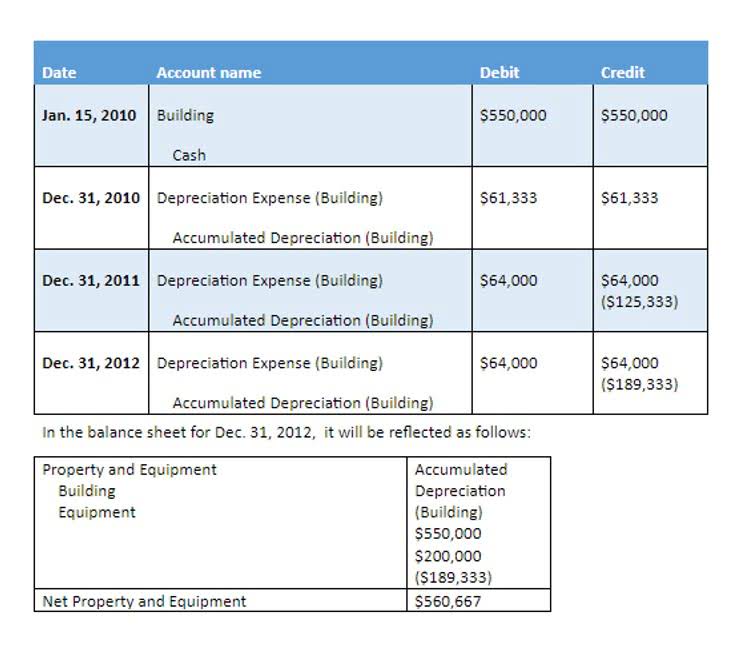
In this guide, we delve into what closing entries are, including examples, the process of journalizing and posting them, and their significance in financial close management. Estimates are adjusting entries made to account for items that cannot be precisely measured at the time of recording. These entries often involve a degree of judgment and are used to allocate expenses or revenues over multiple periods. Common examples include depreciation of fixed assets and allowance for doubtful accounts. Depreciation involves estimating the useful life of an asset and allocating its cost over that period. An adjusting entry for depreciation would reduce the asset’s value and recognize the expense in the current period.
Assembling Financial Statements

Similarly, an allowance for doubtful accounts involves estimating the portion of receivables that may not be collected and recording an expense to reflect potential losses. Estimates ensure that financial statements provide a realistic view of the company’s financial position by accounting for uncertainties and long-term allocations. Closing entries generally involve transferring balances from temporary accounts, such as revenues and expenses, to the retained earnings account. This process ensures that the company’s financial activity is accurately reflected just before discontinuing operations.
- This involved reviewing, reconciling, and making sure that all of the details in the ledger add up.
- This entry decreases the retained earnings to reflect distributions to shareholders, ensuring that shareholders’ equity is accurately represented.
- In preparing for business closure, assembling financial statements is extremely important.
- For example, if a company neglects to record accrued expenses, it may appear more profitable than it actually is.
- One of the key aspects of post-closing procedures is the preparation of the post-closing trial balance.
Does Accumulated Depreciation Go on the Balance Sheet?
They persist from one accounting period to the next and maintain their balances over time unlike temporary accounts which are closed at the end of the period. These permanent files Bookkeeping for Consultants include assets, liabilities and equity sections making them very useful in showing the company’s financial position that lasts long. Closing entries are the financial reset button that ensures your accounting records accurately reflect each period’s performance. Closing the books at the end of a fiscal year is a critical process for businesses to wrap up their financial activities and prepare for the new year. This process involves several steps to ensure that the accounts accurately reflect the year’s transactions.
- Imagine you own a bakery business, and you’re starting a new financial year on March 1st.
- The first step in executing closing entries involves transferring the balances from expense accounts to the income summary account.
- This step is crucial for summarizing the total revenues earned during the accounting period.
- This process consolidates all expense figures into a single account, facilitating the calculation of net income or loss.
- The final step in the closing process involves transferring the balance of the income summary account to the retained earnings account.
- This involves a series of accounting procedures to close the books, including reconciling accounts, reviewing financial statements, and making necessary adjustments.
- Each of these components must be documented through journal entries to reflect the changes on the financial statements accurately.
- Closing the books is one of the last steps in the accounting cycle that is done after the financial statements are prepared.
- The year-end close process requires diligence and attention to detail to make sure that all financial transactions are accounted for.
- These permanent accounts form the foundation of your business’s balance sheet.
- A hundred dollars in revenue this year doesn’t count as $100 in revenue for next year even if the company retained the funds for use in the next 12 months.
To avoid this, businesses should implement a systematic review process at the end of each accounting period to identify and record all necessary adjustments. Utilizing accounting software like QuickBooks or Xero can also help automate and streamline this process, reducing the likelihood of human error. Next, adjustments are made to account for any accrued expenses, depreciation, and other necessary end-of-year entries.