Author: xtw183873858

  • Understanding Nonprofit Budgets: Organizational vs Program vs. Capital

    nonprofit budget

    By involving staff from various departments in the budgeting process, you get a more accurate and realistic picture of your financial needs. With top-down budgeting, you can ensure all departments and programs in your organization are working towards the same goal. Such changes could include the addition of new accounting services for nonprofit organizations funding sources or new restrictions dictated by existing donors. It outlines your projected income and expenses over a specific period, usually a fiscal year.

    • How to create your superstar team and assign the right Givebutter roles to unlock your team’s full potential—without risking donor data or burnout.
    • The budget also plays a key role in forcing organizations to prioritize their activities so as to determine those that are most critical for fulfilling their mission.
    • The first is to make sure that all of the expenses are covered by the income of the organization.
    • This underscores why budgeting is crucial to the success of nonprofit organizations.

    Capital Budget for a School Renovation Project

    nonprofit budget

    There are lots of budgeting templates available online or you could create one of your own. The second meeting of the budget committee should focus on developing a draft of an expense budget and an income budget. The committee will need to determine the costs for the upcoming program goals, organizational goals and strategic goals.

    Services

    • A budget is a planning tool that reflects an organization’s programs, mission, and strategic plan.
    • It includes major purchases like buildings, vehicles, technology systems, or equipment that will serve your organization for several years.
    • However, a solid budget helps you navigate these challenges, ensuring your nonprofit can operate effectively while making a meaningful impact.
    • Since we’re in the business of helping nonprofits, and creating the tools they need to do more good, we wanted to help by creating a sample nonprofit budget template that is free to download and use.
    • If you’re not sure how to create a nonprofit budget, consider hiring an accountant or accounting service.
    • To address this, document and communicate how investments in infrastructure directly improve program results.

    Use this estimate to set an overall goal of how much revenue you’ll need to bring in to cover all of your costs for the year. Track your organization’s financial performance against the budget throughout the year, making adjustments as needed to respond to changing circumstances. Regularly reviewing the budget will help you identify potential issues early and allow for more effective decision-making. Discover seven powerful collaboration tools that transform chaotic nonprofit teamwork into streamlined fundraising success—helping you raise more while stressing less. Givebutter’s top-rated tools are free because of donor tips, which helps it maintain the lowest pricing in the industry. Plus, Givebutter’s comprehensive fundraising platform includes a built-in CRM, marketing and engagement tools, and world-class fundraising features—all designed to help you reach your goal.

    How to Optimize Your Nonprofit Budget: A Guide & 5 Best Tips

    You can keep all the information in one excel sheet, or break it up into different pages. But make sure you delete any line items that don’t apply to your work and add anything that’s missing. Your cash flow is the movement of money that comes in and out of your organization. Work to develop lasting relationships with any vendors, suppliers and partners as this will save you time, energy, and even money! Setting costs with them early on will make budgeting easier and help you avoid guesswork.

    Our integrated approach empowers organizations to connect deeply with their audiences, expand their reach, and achieve measurable results—all without stretching their resources. Nonprofits often face scrutiny over how much of their budget goes toward administrative expenses versus program-related activities. Striking the right balance is crucial for maintaining both operational efficiency and donor trust. For example, Doctors Without Borders allocates a significant portion of its budget (over 80%) to direct program expenses, ensuring most donations fund medical care in crisis zones. Remember that effective financial management looks different for every organization.

    Planning a nonprofit budget: Example and best practices

    nonprofit budget

    Take time on the income estimation step, as it informs your entire budget. Analyze financial statements, accounting records, debts, reserve funds, operational costs, payroll, and any other monetary elements related to your nonprofit. Identify strengths to build upon as well as problem areas that may need to be addressed or improved. Before numbers are even considered, it’s imperative to go back to the core of your nonprofit’s existence—its purpose. Here, you must lay the foundational work to ensure every dollar in your budget is working towards your vision.

    Free Nonprofit Budget Templates

    nonprofit budget

    But, there’s a place in the https://holycitysinner.com/top-benefits-of-accounting-services-for-nonprofit-organizati/ nonprofit universe for a surplus in the budgets too. They can mean the difference between surviving a rough patch and being forced to close down. Having extra cash can help stabilize your nonprofit and absorb an unexpected delay in receiving funds, a shortfall in revenue for a special event, or unbudgeted expenses.

    What is a Nonprofit Budget Template?

    It’s not just about balancing the books; it’s about creating a clear financial roadmap, a basis that aligns resources with mission-driven goals. A well-crafted nonprofit budget ensures financial sustainability, supports strategic decision-making, and fosters transparency with donors, stakeholders, and the communities you serve. In short, for nonprofits, where every dollar has a purpose, efficient budgeting is highly important. Nonprofit budgeting is a strategic process, creating a financial roadmap for organizations. This detailed guide helps you allocate resources efficiently, presenting a holistic view of operating costs and expenses.

  • Developing a nonprofit budget: The basics and best practices

    nonprofit budget

    The annual nonprofit budget illustrates the financial objectives to be achieved over a year. Gather historical financial data, project future revenue sources, and estimate program costs. Use a program-based approach to understand true costs, include adequate overhead allocation, and build in reserves. Involve key stakeholders in the planning process and create regular review cycles for monitoring and adjustments.

    nonprofit budget

    Nonprofit Budgeting: Step-by-Step Guide + Free Template

    Building reserves is essential, but contingency planning requires more than saving for 3-6 months of operations. Create dedicated funds for predictable scenarios, like equipment replacement or program expansion, with clear rules for their use. These organizations will devise processes for reviewing budget assumptions, developing on-going budget reports, and monitoring organizational performance against budgeted outcomes. For new expenses, request quotes from vendors or providers to budget for these costs as accurately as possible. For example, you may reach out to the new bus company you plan to use for your organization’s summer camp to estimate how much their services will cost.

    Review the organization’s past financial performance

    • Take a leap towards financial success with our budget free Google Sheets template, a powerful tool that helps you track expenses and achieve your monetary objectives.
    • Nonprofit budgeting is a strategic planning process that helps organizations map out how to acquire and allocate limited financial resources.
    • AAFCPAs recommends a 3-5% surplus operating budget each year, and four to six months of expenses in your operating reserves.
    • But, there’s a place in the nonprofit universe for a surplus in the budgets too.
    • Once approved by the appropriate committee, the budget will be presented to the full board for approval.
    • Finally, the board or budget committee should be ready to present the annual budget to any necessary committees and the board for final approval.

    But each budget will include direct costs, those expenses related to the project or program you’re funding, as well as indirect costs that go along with running an organization. Depending on the type of grant you win, the award will cover only direct costs, or, if a general operating grant, it may cover much more. Proper budgeting can help make sure you use resources effectively, prevents overspending and ensures the financial health of your organization. Below is an example of a nonprofit budget to give you an idea of what you need to do. This budget includes expected income, expenses, and funding for a small nonprofit organization. Now that you know what should be included in your nonprofit budget, it’s time to start creating one.

    • However, this doesn’t mean that your nonprofit’s overhead spending can go unchecked or should be prioritized over program expenditures.
    • The capital budget can also be used for construction and other big, one-time spending projects that often take more than a fiscal year to pay for.
    • It should be clear by now that your grant budget can make or break your chances of winning funding.
    • Feeling inundated with too many spreadsheets, repetitive data entry, and version-control issues?
    • Before creating your operating budget, check in with your strategic plan.
    • Maintaining your data and keeping it clean can be a pain point for many nonprofits.
    • This process is easiest for fixed expenses, which stay constant each year.

    Nonprofit Annual Budget Template Annual Budget Template Nonprofit Budget

    This sample budget for nonprofits is a template for an organizational budget for a fiscal year. This includes program expenses, staff salaries, an operating budget and other expenditures. Once finalized you can create the nonprofit budget template in excel to make it easy for you to update next year. A nonprofit budget is more than just a collection https://holycitysinner.com/top-benefits-of-accounting-services-for-nonprofit-organizati/ of numbers; it’s a strategic blueprint that reflects an organization’s priorities, goals, and mission at a foundational level. It outlines expected income and planned expenses for a specific period, typically a fiscal year, ensuring that resources are allocated efficiently and transparently. For nonprofits, budgeting plays a pivotal role in aligning limited resources with their mission-driven objectives.

    nonprofit budget

    nonprofit budget

    At the first budget planning meeting, the board or budget committee should agree on their financial goals. This will require prioritizing program delivery goals and setting organizational Accounting Services for Nonprofits: Benefits and How to Choose the Right Provider financial goals. This is a good time to review the current year’s actual income and expenses against the budget.

    • Effortlessly manage your budget using our free Budget Spreadsheet Google Sheets and Excel template, designed to help you track expenses, set savings goals, and achieve financial success.
    • This example shows the estimated expenses and revenues of a nonprofit organization that runs community programs.
    • WildApricot is an affordable cloud-based software for small associations, non-profits, state and local chapter organizations.
    • The public phase often includes a public kick-off event and a final celebratory gala.
    • They can mean the difference between surviving a rough patch and being forced to close down.
  • What Is Salvage Value in Accounting and How Is It Calculated?

    how to calculate salvage value

    After analyzing historical data, market research, and assessing the asset’s condition, they estimate the salvage value of the machinery to be $10,000. This estimation takes into account factors such as technological advancements, market demand, and the asset’s current state. In summary, the estimated salvage value of an asset is a critical consideration in financial planning, asset management, and capital budgeting. It is used to calculate depreciation, estimate future asset values, and make informed decisions about asset management and investment. Remember, accurate estimation of Salvage Value requires a comprehensive analysis of various factors and considerations specific to the asset and its market.

    how to calculate salvage value

    Calculate Annual Depreciation

    how to calculate salvage value

    It affects the calculation of depreciation methods such as straight-line, declining balance, or units of production. By estimating the Salvage Value accurately, businesses can allocate costs effectively and plan for future asset replacements or upgrades. How do businesses determine the future worth of their assets at the end of their useful lives? Its, also known as residual value or scrap value, represents the estimated amount that an asset is worth at the end of its useful life.

    • If you want a firm estimate of a salvaged vehicle’s title, consider getting a private appraisal.
    • Different stakeholders (accountants, engineers, managers) may have varying perspectives.
    • It’s the amount a company thinks it will get for something when it’s time to say goodbye to it.
    • This concept is crucial in accounting and financial planning, as it affects depreciation calculations and the overall valuation of a company’s assets.
    • It encompasses not only the purchase price but also expenses like delivery, installation, and modifications necessary for the asset’s use.

    Technological Advancements

    It is the expected cash inflow from selling or disposing of the asset once its service life has concluded. This estimation helps businesses plan for future asset replacements and informs their depreciation schedules. Salvage value, also called scrap value, is the value of a specific asset after its useful life. In simpler terms, the scrap value is what a company expects to receive in exchange for the sale of the asset after its useful life.

    • For instance, a company’s mainframe computer may still be in high demand and have a remaining useful life of 5-7 years, making depreciation less relevant.
    • If you can get the car checked out by a reliable mechanic to confirm it is safe to drive, then a salvage title vehicle could be the right purchase.
    • The estimated useful life of the machine is 5 years, and its salvage value is determined to be $2,000.
    • If a company expects that an asset will contribute to revenue for a long period of time, it will have a long, useful life.
    • After-Tax Salvage Value is a concept that’s a bit more complicated than just the salvage value itself.

    How to Calculate the Salvage Cost of a Car

    It spreads the decrease evenly over the asset’s useful life until it reaches its salvage value. To determine the estimated remaining useful life of an asset, research market examples of similar assets. The basis cost of an asset includes any initial taxes, shipping fees, Bookkeeping for Etsy Sellers or installation costs.

    • Determining the value of a car that has been salvaged isn’t an exact science, but you can use various calculations to reach a close estimate.
    • Both declining balance and DDB require a company to set an initial salvage value to determine the depreciable amount.
    • A higher net book value may enhance the asset base, which can be favorable when seeking financing.
    • Salvage value is defined as the book value of the asset once the depreciation has been completely expensed.
    • It is important to consider the salvage value when determining the depreciation expense for each period, as it impacts the overall depreciation calculation.
    • Learn how to calculate Z spread in finance with our step-by-step guide, covering credit spreads, bond valuation, and risk management strategies.

    Best Practices for Addressing Salvage Value Accounting Challenges

    • The straight line calculation, as the name suggests, is a straight line drop in asset value.
    • To get the best auto salvage price, bear these extra costs in mind, given that a salvage title is essential for legal ownership and resale.
    • Another example of how salvage value is used when considering depreciation is when a company goes up for sale.
    • This method calculates salvage value based on an asset’s total number of production units during its useful life.
    • The straight-line method is suitable for assets that are expected to provide equal benefit over their useful life, such as buildings or vehicles.
    • Cash flow statements are indirectly influenced by salvage value through depreciation adjustments in the operating activities section.

    If the salvage value decreases, depreciation expense will increase, and vice versa. A manufacturer’s budget for a machine includes its effective life, number of units it can produce, working life, installation costs, and cost of replacement. For example, if you have an asset with a basis cost of INR 800,000 and an accumulated depreciation of INR 450,000, the salvage value would be INR 350,000. Accumulated depreciation is the total amount of depreciation taken during the asset’s class life. You must subtract this from the basis cost to avoid “double-dipping” on tax deductions, as per the IRS.

    How Salvage Value Is Used in Depreciation Calculations

    For instance, if your asset depreciates by 10% each year, enter 10 in this field. Several factors can affect the salvage value of an asset, including its condition, market demand, technological advancements, age, and usage. For tax purposes, the IRS typically requires businesses to use the Modified Accelerated Cost Recovery System (MACRS) to calculate depreciation. Under MACRS, salvage value is not explicitly considered, allowing businesses to maximize depreciation deductions and reduce taxable income in an asset’s early years. The straight-line method allocates an equal depreciation expense across each period of an asset’s useful life. This method suits assets with consistent usage, such as office furniture or buildings, though it may not reflect actual wear and tear for assets that depreciate more rapidly early on.

    how to calculate salvage value

    After tax salvage value is like the retirement money for a company’s equipment. It’s the amount a company thinks it will get for something when it’s time to say goodbye to it. Companies use this value to figure out how much to subtract from the original cost of the thing when calculating its wear and tear. It’s also handy for guessing how much money they might recording transactions make when they get rid of it.

    What Is Financial Risk And What Are The Types Of Financial Risk – Beginners Guide Of 2021

    Most of these businesses rely heavily on the productivity of their existing machines, which affects the quality and effectiveness of their products. Salvage value is typically expressed as a percentage of the asset’s original cost. For example, a business asset may have a salvage value of 10% of its original cost after 5 years. how to calculate salvage value Below is a break down of subject weightings in the FMVA® financial analyst program. As you can see there is a heavy focus on financial modeling, finance, Excel, business valuation, budgeting/forecasting, PowerPoint presentations, accounting and business strategy. Salvage value plays a key role in tax reporting, influencing depreciation deductions.

    how to calculate salvage value

    If your vehicle is totaled, the insurance company will assess its salvage value. The salvage value is the amount of money the insurer would recoup when selling the vehicle through a licensed salvage vendor. So, instead of selling it to a salvage vendor, they allow you to repurchase your car, get the needed repairs and drive it again. When you deduct between 20% to 40% of that amount, the vehicle’s estimated value ranges from $6,000 to $8,000. A car with a salvage title or rebuilt title can be worth thousands of dollars less than a comparable car with a clean title.

  • How To Calculate Scrap Value of an Asset?

    how to calculate salvage value

    On the other hand, book value is the value of an asset as it appears on a company’s balance sheet. It is calculated by subtracting accumulated depreciation from the asset’s original cost. An asset’s depreciable amount is how to calculate salvage value its total accumulated depreciation after all depreciation expense has been recorded, which is also the result of historical cost minus salvage value. The carrying value of an asset as it is being depreciated is its historical cost minus accumulated depreciation to date. Salvage value is the estimated residual value of an asset after it has been fully depreciated.

    • Whether your vehicle is significantly damaged or you are considering buying a salvage vehicle, it’s helpful to run the numbers.
    • In other contexts, residual value is the value of the asset at the end of its life less costs to dispose of the asset.
    • If your car is irreparable or the cost to repair your car is close to the value of the car, it’s possible that it will be deemed a total loss.
    • This amount is carried on a company’s financial statement under noncurrent assets.

    Julian Date Calculator Convert Dates Easily

    One crucial aspect of straight-line depreciation is the determination of salvage value, which represents the estimated residual value of the asset at the end of its useful life. In summary, determining salvage value isn’t merely an accounting exercise; it influences financial decisions, risk management, and environmental stewardship. By considering multiple perspectives and using accurate estimates, businesses can optimize their asset lifecycle management. Remember, the seemingly small salvage value can have significant ripple effects throughout an organization’s operations. By accurately determining the salvage value, the company can make informed financial decisions, plan for future asset replacements, and ensure proper accounting practices.

    how to calculate salvage value

    Depreciation Methods for Valuing Assets Over Time

    It depends upon the vehicle, its damages and how much it is worth in its current state after it’s determined a total loss. In general, salvage ledger account vehicles are worth between 20% and 40% less than their Kelley Blue Book value. With that, it’s a good idea to get a salvaged vehicle appraised privately to determine its value accurately. On the other hand, salvage value, also known as residual value or scrap value, refers to the estimated worth of an asset at the end of its useful life.

    What Is Scrap Value?

    The salvage value also helps with tax deductions and overall liability calculations. Wrong calculations of the residual value can lead to mismatched profits and sometimes unaccountability. Thus, despite the scrap value being a rough estimate, it must be done carefully. Assume that a company owns a piece of machinery that costs about Rs.15,000 and has a shelf life of approximately seven years. By incorporating these insights and examples, we can gain a deeper understanding of the AI in Accounting significance of straight-line depreciation and salvage value in managing capital assets.

    how to calculate salvage value

    Challenges in Salvage Value Accounting

    • The useful life assumption estimates the number of years an asset is expected to remain productive and generate revenue.
    • To appropriately depreciate these assets, the company would depreciate the net of the cost and salvage value over the useful life of the assets.
    • The buyer will want to pay the lowest price for the company and will claim higher depreciation of its assets.
    • Salvage value is typically expressed as a percentage of the asset’s original cost.
    • With a large number of manufacturing businesses relying on their machinery for sustained productivity, it is imperative to keep assessing the equipment they own.
    • If a company wants to front-load depreciation expenses, it can use an accelerated depreciation method that deducts more depreciation expenses upfront.

    Companies determine the estimated after tax salvage value for anything valuable they plan to write off as losing value (depreciation) over time. Each company has its way of guessing how much something will be worth in the end. Some companies might say an item is worth nothing (zero dollars) after it’s all worn out because they don’t think they can get much. But generally, salvage value is important because it’s the value a company puts on the books for that thing after it’s fully depreciated. It’s based on what the company thinks they can get if they sell that thing when it’s no longer useful. Sometimes, salvage value is just what the company believes it can get by selling broken or old parts of something that’s not working anymore.

    how to calculate salvage value

    While there are risks to buying a salvage title vehicle, there are also some benefits. If you can get the car checked out by a reliable mechanic to confirm it is safe to drive, then a salvage title vehicle could be the right purchase. Organizations must account for this when estimating salvage values for IT equipment. Technological advances can significantly impact the determination of salvage value. As new and more efficient technologies emerge, older assets may become outdated and less desirable in the market.

    Double-Declining Balance

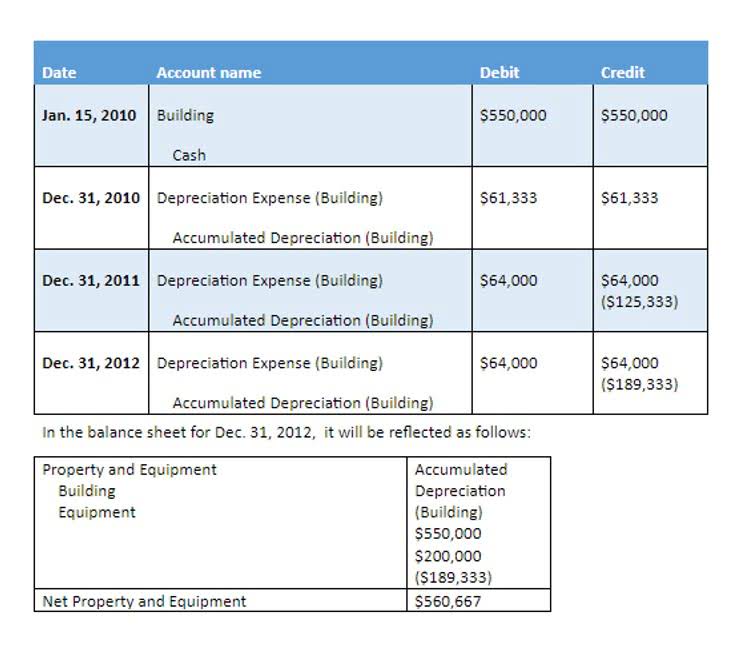
    Suppose a company spent $1 million purchasing machinery and tools, which are expected to be useful for five years and then be sold for $200k. Each year, the depreciation expense is $10,000 and four years have passed, so the accumulated depreciation to date is $40,000. The impact of the salvage (residual) value assumption on the annual depreciation of the asset is as follows. The useful life assumption estimates the number of years an asset is expected to remain productive and generate revenue.

    Why Value Stocks Are a Great Long-Term Investment?

    If we imagine that this value would be nil, there would be no chance of any reduction in depreciation. That’s why it’s wiser to go for zero value while applying depreciation on the asset. Hence, a car with even a couple of miles driven on it tends to lose a significant percentage of its initial value the moment it becomes a “used” car. Under straight-line depreciation, the asset’s value is reduced in equal increments per year until reaching a residual value of zero by the end of its useful life. The carrying value of the asset is then reduced by depreciation each year during the useful life assumption. The salvage value is considered the resale price of an asset at the end of its useful life.

  • Daily Cannabis Use Linked to Syndrome, Hospitalizations RT

    canabis syndrome

    The profuse vomiting and potential dehydration inherent in CHS often mandate intravenous fluids administration to correct electrolyte imbalances and sustain canabis syndrome hydration levels. Adequate fluid resuscitation is crucial during the acute phase of CHS to avert complications and ensure physiological stability. Splanchnic vasodilation – THC alters blood flow, potentially contributing to nausea and abdominal pain. Pancreatitis – Inflammation of the pancreas causing severe abdominal pain and nausea. This page provides a comprehensive, evidence-based perspective on CHS, distinguishing it from other conditions and outlining a more effective, patient-centered approach to management.

    canabis syndrome

    Mental Health Treatment

    • Researchers are trying to understand why some people develop it and others don’t.
    • In these cases, addiction treatment programs can provide the necessary support for successful recovery.
    • Their leading theory, according to the Cleveland Clinic, is that using the drug frequently causes changes to a part of your body called the endocannabinoid system.
    • Cannabinoid Hyperemesis Syndrome (CHS), first described in 2004,2 is characterized by cyclic vomiting that occurs in the context of chronic daily or near-daily cannabis use.
    • Despite the scarcity of randomized controlled trials (RCTs) on optimal treatment approaches for CHS, a holistic care plan can significantly enhance patient outcomes and well-being.
    • While conventional antiemetic medications like serotonin 5-HT3 receptor antagonists and dopamine antagonists can be prescribed to manage nausea and vomiting in CHS patients, their efficacy in CHS cases is limited.

    Two well-characterized naturally occurring endocannabinoids are anandamide and 2-arachidonoylglycerol. Cannabinoids discovered in the cannabis plant with known effects on the regulation of emesis include tetrahydrocannabinol, cannabidiol, and cannabigerol. Other pharmacologic alternatives were also explored with mixed to unproven efficacy.

    Medical Marijuana Made Easy

    canabis syndrome

    While waiting for answers, she noticed an educational pamphlet on cannabinoid hyperemesis syndrome (CHS), a little-known illness characterized by an onset of intense vomiting. She wondered if her gastric distress might have been caused by the marijuana she regularly and legally smoked at her home in Toronto. When you do this, your symptoms usually start to go away in few days to a few months. Over time, the symptoms will go away completely unless you start to use again. When you use marijuana for many years, it can start to slowly change how the receptors in your body respond to the cannabinoid chemicals.

    CHS Weed: The Hidden Risk of Long-Term Cannabis Use

    canabis syndrome

    In some case reports in the literature, a few patients rejected the notion that marijuana might in some way be the cause of their symptoms and refused to give it up even to see if it might relieve their symptoms 1. The literature reports on global clinical experience with CHS to date in the form of case studies, case reports, and case series. While case reports are not the strongest form of evidence, the range of case reports in the literature over the past years presents a coherent picture of the condition, its diagnosis, and treatment. Haloperidol is a familiar but unconventional antiemetic that may benefit CHS patients, likely because it blocks the brain’s postsynaptic dopamine receptors 111, 112. When dopamine receptors are blocked, the blockade reduces the effect of dopamine on the dopamine-2 receptors in the vomiting center 96.

    • All patients had a history of long-term use of cannabis (mean length 42 months, range 15–81.8 months), and 80% found relief in taking hot showers.
    • D’Souza speculates that it may have to do with some people’s endocannabinoid systems.
    • The dose can be gradually increased in 10 mg increments every 1–2 weeks until the G.I.
    • CHS was reported for the first time in 2004, and since then, an increasing number of cases have been reported.
    • However, these changes also come with substantial risks regarding its adverse effects, such as paradoxical hyperemesis, intoxication and behavioral changes (anxiety, panic attacks, and psychoactive changes).
    • One of my major complaints at that time was the lack of research into both the casual and heavy use of cannabis.
    • There exists no epidemiological data regarding the incidence and prevalence of CHS among chronic marijuana users.

    CANNABINOID HYPEREMESIS SYNDROME

    • The symptoms typically last a few weeks, though the throwing up should ease up in a day or two.
    • The only proven way to prevent cannabis hyperemesis syndrome is to avoid cannabis (marijuana).
    • Recognizing the risks of developing CHS can empower marijuana users to take preventative actions, such as reducing or ceasing their marijuana use if they experience any signs of the condition.
    • This has contributed to misunderstanding, inadequate treatment, and undue fear surrounding cannabis use.
    • Given the rise of CHS cases in regions with legalized cannabis markets, public health agencies should prioritize research funding to fill these gaps and inform future policy.

    Unfortunately, the psychological and physical dependency on marijuana can make quitting challenging for many individuals. In these cases, addiction treatment programs can provide the necessary support for successful recovery. Due to the complexity of diagnosing CHS, it’s important to consult with healthcare professionals who are familiar with the condition. If CHS is suspected, stopping marijuana use is the first crucial step, and seeking treatment for marijuana addiction may be necessary to prevent further complications.

    canabis syndrome

    This antagonism reverses the anti-emetic actions of low-dose CBD, which likely occurs at the 5-HT1A receptor 33. The pro-emetic properties of CBD (at higher doses) and CBG may play a role in the severe nausea and vomiting observed in patients with Cannabinoid Hyperemesis Syndrome (Figure 2). Although the mechanism of cannabis that leads to intractable nausea and vomiting is still unclear, CHS is well documented in the medical literature. With the widespread use of cannabis, both recreationally and therapeutically, the paradoxical effect of CHS deserves further attention. Clinical pharmacists should have heightened awareness when patients present to the hospital with intractable nausea and vomiting and report relief with hot showering. In addition to organic disease, long-term cannabis use should be considered as a possible cause.

    canabis syndrome

    Not everyone with the condition seeks medical help or tells their provider that they use marijuana. It’s a condition that can lead to serious health complications if you don’t Drug rehabilitation get treatment for it. However, the way that marijuana alters brain chemistry leads to a behavioral addiction like gambling or overeating.

  • Cannabinoid Hyperemesis Syndrome Treatment, Symptoms, More

    canabis syndrome

    It is not known why the syndrome develops in some, but not all, long-term marijuana users and why symptoms take longer to manifest in some patients than others. Although there were very few case studies involving CHS patients with eating disorders, bulimia might present in such a way that it could be confused with CHS. About 35% of individuals with some form of substance use disorder have an eating disorder (which typically precedes the substance use disorder) versus 5% of the general population 174. The serum levels of psychiatric drugs may be reduced in patients suffering from CHS or other vomiting syndrome.

    What is the treatment for CHS?

    • Typical antiemetics such as ondansetron, commonly known as Zofran, have often been found ineffective at suppressing nausea caused by CHS.
    • A lack of long-term follow-up is also a major shortcoming in our knowledge of CHS.
    • Other researchers theorize that the effects of marijuana can change with chronic use.
    • Every time we accept a narrative that blames the plant instead of investigating alternative explanations, we’re allowing prohibition forces to maintain their grip on public perception.
    • This is evidenced by symptoms like rapid heartbeat, sweating, hot flashes, high blood pressure, and tremors, often during the hyperemesis phase 49.

    CHS should be considered as a plausible diagnosis in the setting of patients with recurrent intractable vomiting and strong history of cannabis abuse. Despite the well-established anti-emetic properties of marijuana, there is increasing evidence of its paradoxical effects on the gastrointestinal tract and CNS. Further initiatives are needed to determine this disease prevalence and its other epidemiological characteristics, natural history, and pathophysiology. Additional treatments are needed and efforts to discontinue cannabis abuse are paramount. CHS is marked by persistent vomiting and ongoing abdominal pain, primarily affecting long-term, daily cannabis users.

    Supporting Our Rural Patients: Why MNGI is Worth the Drive

    • Capsaicin, a topical agent with an active compound derived from chili peppers, interacts with transient receptor potential vanilloid-1 (TRPV1) receptors 86.
    • Cannabis legalization should include balanced details on its benefits and potential risks.
    • This applies not just to botanical marijuana; dronabinol (delta-9-tetrahydrocannabinol) slows gastric emptying and decreases colonic tone as well 54.
    • Along with the discovery of the CB1 and CB2 receptors has been the identification of endogenous arachidonic acid derivatives that bind to these receptors (Figure 1).
    • If you use cannabis often and frequently experience vomiting and nausea, you should tell a healthcare professional.
    • While their genetic underpinnings are still not fully understood, research has suggested potential genetic predispositions for each.

    The recent body of research recognizes that patients with CHS impose a burden on the healthcare systems. Understanding the pathophysiology of the endocannabinoid system (ECS) remains central in explaining the clinical features and potential drug targets for the treatment of CHS. The frequency and prevalence of CHS change in accordance with the canabis syndrome doses of tetrahydrocannabinol and other cannabinoids in various formulations of cannabis.

    The most trustworthy clinical guidance

    canabis syndrome

    These patients typically present multiple times to health care facilities with similar symptoms and receive multiple diagnostic tests and invasive procedures without a clear diagnosis or treatment plan. Treatment of CHS typically occurs during the hyperemetic phase, which often requires hospitalization due to the severity of symptoms. In this phase, patients frequently experience intractable nausea and vomiting that is unresponsive to conventional antiemetic medications 33. As noted earlier, hot baths or showers provide temporary relief for many patients. Warm stimulation is hypothesized to transiently activate transient receptor potential vanilloid-1 (TRPV1) in the hypothalamus which would otherwise be downregulated by chronic cannabis use 34.

    Health Conditions

    After stopping cannabis use, symptoms generally resolve within days or months. A 2017 review of studies found that 97.4 percent of people who developed CHS reported using cannabis at least weekly. Research suggests that CHS is a permanent condition that can only be effectively treated by quitting cannabis.

    canabis syndrome

    canabis syndrome

    While the condition is still being studied, the impact of CHS is none-the-less debilitating. Cannabidiol (CBD) and cannabigerol (CBG) are two additional cannabinoids found in cannabis that appear to modulate the anti-emetic properties of THC. Cannabidiol, in contrast to THC, is non-psychotropic, has a low affinity for CB1 and CB2 receptors 27, and acts as a partial agonist at the 5-HT1A receptor 28. CBD enhances the expression of CB1 receptors in the hypothalamus and amplifies the hypothermic effects caused by THC 29.

    After you quit, you may still have symptoms and side effects for a few days to a few weeks. Although it was considered to be rare, the number of cases has increased with the legalization of marijuana in many places and the opening of retail stores to easily get it. This has increased both the number of people using the drug and the “high” in the available weed.

    Also, it’s possible there are more cases than have been reported, since not everyone with the illness will seek medical help or tell their doctor they use cannabis, the Cleveland Clinic notes. If you have Oxford House symptoms, your doctor will do a physical exam and ask for your detailed medical history. Let your doctor know how much marijuana you use and how often you use it.

    What are the symptoms?

    The ongoing cannabis legalization is expected to advance more research into its therapeutic potential. Ultimately, the treatment of any illness is the removal of precipitating factors, not merely the management of its symptoms. Experts say the medical field is woefully behind on understanding the rapidly changing drugs. “There’s a difference in legalizing the original cannabis on the planet and the products that exist today,” neuroscientist Yasmin Hurd said to the Times. Hurd was the lead author of a 2017 report on the health effects of cannabis from the National Academies of Sciences, Engineering and Medicine, which warned that the lack of evidence-based information posed a public health risk. Until more studies are done on cannabis in all its new forms, putting cannabis “under the umbrella of a safe, legal drug is wrong,” she said.

    canabis syndrome

    More on Substance Abuse and Addiction

    canabis syndrome

    TRPV1 receptors are involved in the modulation of transmitting pain signals and altering pain perception 87. These TRPV1 receptors are present throughout the gastrointestinal (G.I.) tract and the medullary vomiting center. They are frequently located closer to CB1 receptors, indicating a potential functional interaction. Upon topical application as a cream to the abdomen, capsaicin causes a sensation of heat at the application site, suppressing the underlying abdominal pain.

    To help you transition to the recovery phase, you can try a few home remedies such as regular hot baths. But too many of them may increase your risk for dehydration due to sweating. If you need help quitting, speak to a healthcare provider or connect with your local addiction treatment services.

  • Image file type and format guide Media MDN

    difference between png and webp

    Trade-offs exist with each file format concerning image file sizes. The lossless compressed PNG images are 26% larger than WEBP images. However, the lossy compression further reduces WEBP image sizes compared to PNG, with other image details deleted. JPEG (Joint Photographic Experts Group) is an image format commonly used for photography and images rich in colors.

    Is WebP Lossless?

    However, PNG is more suitable if you require lossless quality and universal compatibility. For the best results, consider using WebP for general web images and PNG for graphics requiring high detail and transparency. PNG images can be edited and https://wizardsdev.com/en/news/ saved multiple times without any quality loss due to their lossless nature. This makes PNG the preferred format for graphics that require frequent editing.

    Optimize Your Website Performance & LCP with Lazy Loading

    In this comprehensive comparison, we’ll delve into the details of both formats to help you make an informed decision. Optimizing PNG images for SEO involves compressing them to reduce file size without compromising quality. Use descriptive alt text and file names that accurately reflect the image content to boost search engine rankings and improve website performance. To optimize WebP images for SEO, ensure they are appropriately compressed to balance quality and file size.

    difference between png and webp

    Why Deep Linking for SEO Is the Missing Link in Your 2025 SEO Strategy

    Choosing the best between WebP and PNG often involves balancing image quality and performance. Understanding the specific use cases and requirements of your website can help you decide which format offers the best compromise between visual quality and load times. PNG-32 stands for Portable Network Graphics with 32-bit color depth. Like PNG-24, it supports over 16 million colors (24-bit for color).This format adds an 8-bit alpha channel for transparency, giving it an additional 256 levels of transparency. As it features advanced alpha transparency, it allows complex transparency effects, such as shadows and anti-aliasing.

    • Lossy compression reduces file size by discarding some image data, which can lead to slight quality loss but results in smaller files.
    • Images with thin lines and text, such as charts or infographics, stand to lose clarity if lossy formats are used, hence making PNG an ideal choice for such images.
    • It derives from video frames using the AV1 codec and has image size limitations—the default limit of AVIF is 8K (7,680 x 4,320 pixels).
    • PNG images, while larger, provide superior quality for graphics where detail and transparency are crucial, though at the cost of slower loading times and higher bandwidth usage.
    • By understanding the strengths and weaknesses of both WebP and PNG, you can make an informed decision and choose the format that’s right for you.

    Image file type and format guide

    PNG’s lossless compression, on the other hand, results in higher-quality images but larger file sizes. WebP, on the other hand, is designed to offer better image quality at smaller file sizes. The format supports both lossy and lossless compression, allowing users to choose the level of compression based on their specific needs. WebP is particularly well-suited for images with sharp edges and text, as it can preserve these details more effectively than JPG. WebP, developed by Google, is a modern image format that supports both lossy and lossless compression. This means you can achieve smaller file sizes while retaining quality, making it ideal for enhancing website performance.

    difference between png and webp

    This allows you to maintain image quality while reducing file size. Images are an essential part of any website; they enhance the appearance and user experience. The images are crucial, but they significantly impact the website’s loading time. So, optimizing them for web use is vital, and one way to do that is by using the correct image format.

    • This means you can either compress images without losing data or with losing only some non-essential information.
    • Based on our experience, we believe PNG provides the best balance between image quality and performance.
    • WEBP is a modern image format that provides both lossless and lossy compression.
    • This is especially crucial for websites and digital information, which must be available to the broadest possible audience.
    • WebP vs. PNG, a topic hotly debated among web developers and designers.
    • When it comes to image quality, JPG is known for its ability to maintain a good balance between file size and image quality.

    WebP supports animation, allowing for animated images similar to GIFs but with better compression and quality. PNG supports animation through the APNG Full stack developer skills (Animated PNG) format, but it is not as widely adopted or versatile as WebP’s animation capabilities. PNG-32 format is ideal for images requiring high color fidelity and complex transparency. It is usually used in web design and digital art where high-quality visuals and transparency effects are crucial.

    difference between png and webp

    Difference Between WebP Format and PNG Format

    However, for high-resolution images requiring transparency or alpha channel transparency, the PNG image format is still the go-to format due to its lossless compression. Ultimately, the choice between WebP and PNG depends on your website’s requirements and as per your specific needs. If you require faster loading times and smaller file sizes, then WebP is the way to go.

  • Image file type and format guide Media MDN

    difference between png and webp

    Trade-offs exist with each file format concerning image file sizes. The lossless compressed PNG images are 26% larger than WEBP images. However, the lossy compression further reduces WEBP image sizes compared to PNG, with other image details deleted. JPEG (Joint Photographic Experts Group) is an image format commonly used for photography and images rich in colors.

    Is WebP Lossless?

    However, PNG is more suitable if you require lossless quality and universal compatibility. For the best results, consider using WebP for general web images and PNG for graphics requiring high detail and transparency. PNG images can be edited and https://wizardsdev.com/en/news/ saved multiple times without any quality loss due to their lossless nature. This makes PNG the preferred format for graphics that require frequent editing.

    Optimize Your Website Performance & LCP with Lazy Loading

    In this comprehensive comparison, we’ll delve into the details of both formats to help you make an informed decision. Optimizing PNG images for SEO involves compressing them to reduce file size without compromising quality. Use descriptive alt text and file names that accurately reflect the image content to boost search engine rankings and improve website performance. To optimize WebP images for SEO, ensure they are appropriately compressed to balance quality and file size.

    difference between png and webp

    Why Deep Linking for SEO Is the Missing Link in Your 2025 SEO Strategy

    Choosing the best between WebP and PNG often involves balancing image quality and performance. Understanding the specific use cases and requirements of your website can help you decide which format offers the best compromise between visual quality and load times. PNG-32 stands for Portable Network Graphics with 32-bit color depth. Like PNG-24, it supports over 16 million colors (24-bit for color).This format adds an 8-bit alpha channel for transparency, giving it an additional 256 levels of transparency. As it features advanced alpha transparency, it allows complex transparency effects, such as shadows and anti-aliasing.

    • Lossy compression reduces file size by discarding some image data, which can lead to slight quality loss but results in smaller files.
    • Images with thin lines and text, such as charts or infographics, stand to lose clarity if lossy formats are used, hence making PNG an ideal choice for such images.
    • It derives from video frames using the AV1 codec and has image size limitations—the default limit of AVIF is 8K (7,680 x 4,320 pixels).
    • PNG images, while larger, provide superior quality for graphics where detail and transparency are crucial, though at the cost of slower loading times and higher bandwidth usage.
    • By understanding the strengths and weaknesses of both WebP and PNG, you can make an informed decision and choose the format that’s right for you.

    Image file type and format guide

    PNG’s lossless compression, on the other hand, results in higher-quality images but larger file sizes. WebP, on the other hand, is designed to offer better image quality at smaller file sizes. The format supports both lossy and lossless compression, allowing users to choose the level of compression based on their specific needs. WebP is particularly well-suited for images with sharp edges and text, as it can preserve these details more effectively than JPG. WebP, developed by Google, is a modern image format that supports both lossy and lossless compression. This means you can achieve smaller file sizes while retaining quality, making it ideal for enhancing website performance.

    difference between png and webp

    This allows you to maintain image quality while reducing file size. Images are an essential part of any website; they enhance the appearance and user experience. The images are crucial, but they significantly impact the website’s loading time. So, optimizing them for web use is vital, and one way to do that is by using the correct image format.

    • This means you can either compress images without losing data or with losing only some non-essential information.
    • Based on our experience, we believe PNG provides the best balance between image quality and performance.
    • WEBP is a modern image format that provides both lossless and lossy compression.
    • This is especially crucial for websites and digital information, which must be available to the broadest possible audience.
    • WebP vs. PNG, a topic hotly debated among web developers and designers.
    • When it comes to image quality, JPG is known for its ability to maintain a good balance between file size and image quality.

    WebP supports animation, allowing for animated images similar to GIFs but with better compression and quality. PNG supports animation through the APNG Full stack developer skills (Animated PNG) format, but it is not as widely adopted or versatile as WebP’s animation capabilities. PNG-32 format is ideal for images requiring high color fidelity and complex transparency. It is usually used in web design and digital art where high-quality visuals and transparency effects are crucial.

    difference between png and webp

    Difference Between WebP Format and PNG Format

    However, for high-resolution images requiring transparency or alpha channel transparency, the PNG image format is still the go-to format due to its lossless compression. Ultimately, the choice between WebP and PNG depends on your website’s requirements and as per your specific needs. If you require faster loading times and smaller file sizes, then WebP is the way to go.

  • Image file type and format guide Media MDN

    difference between png and webp

    Trade-offs exist with each file format concerning image file sizes. The lossless compressed PNG images are 26% larger than WEBP images. However, the lossy compression further reduces WEBP image sizes compared to PNG, with other image details deleted. JPEG (Joint Photographic Experts Group) is an image format commonly used for photography and images rich in colors.

    Is WebP Lossless?

    However, PNG is more suitable if you require lossless quality and universal compatibility. For the best results, consider using WebP for general web images and PNG for graphics requiring high detail and transparency. PNG images can be edited and https://wizardsdev.com/en/news/ saved multiple times without any quality loss due to their lossless nature. This makes PNG the preferred format for graphics that require frequent editing.

    Optimize Your Website Performance & LCP with Lazy Loading

    In this comprehensive comparison, we’ll delve into the details of both formats to help you make an informed decision. Optimizing PNG images for SEO involves compressing them to reduce file size without compromising quality. Use descriptive alt text and file names that accurately reflect the image content to boost search engine rankings and improve website performance. To optimize WebP images for SEO, ensure they are appropriately compressed to balance quality and file size.

    difference between png and webp

    Why Deep Linking for SEO Is the Missing Link in Your 2025 SEO Strategy

    Choosing the best between WebP and PNG often involves balancing image quality and performance. Understanding the specific use cases and requirements of your website can help you decide which format offers the best compromise between visual quality and load times. PNG-32 stands for Portable Network Graphics with 32-bit color depth. Like PNG-24, it supports over 16 million colors (24-bit for color).This format adds an 8-bit alpha channel for transparency, giving it an additional 256 levels of transparency. As it features advanced alpha transparency, it allows complex transparency effects, such as shadows and anti-aliasing.

    • Lossy compression reduces file size by discarding some image data, which can lead to slight quality loss but results in smaller files.
    • Images with thin lines and text, such as charts or infographics, stand to lose clarity if lossy formats are used, hence making PNG an ideal choice for such images.
    • It derives from video frames using the AV1 codec and has image size limitations—the default limit of AVIF is 8K (7,680 x 4,320 pixels).
    • PNG images, while larger, provide superior quality for graphics where detail and transparency are crucial, though at the cost of slower loading times and higher bandwidth usage.
    • By understanding the strengths and weaknesses of both WebP and PNG, you can make an informed decision and choose the format that’s right for you.

    Image file type and format guide

    PNG’s lossless compression, on the other hand, results in higher-quality images but larger file sizes. WebP, on the other hand, is designed to offer better image quality at smaller file sizes. The format supports both lossy and lossless compression, allowing users to choose the level of compression based on their specific needs. WebP is particularly well-suited for images with sharp edges and text, as it can preserve these details more effectively than JPG. WebP, developed by Google, is a modern image format that supports both lossy and lossless compression. This means you can achieve smaller file sizes while retaining quality, making it ideal for enhancing website performance.

    difference between png and webp

    This allows you to maintain image quality while reducing file size. Images are an essential part of any website; they enhance the appearance and user experience. The images are crucial, but they significantly impact the website’s loading time. So, optimizing them for web use is vital, and one way to do that is by using the correct image format.

    • This means you can either compress images without losing data or with losing only some non-essential information.
    • Based on our experience, we believe PNG provides the best balance between image quality and performance.
    • WEBP is a modern image format that provides both lossless and lossy compression.
    • This is especially crucial for websites and digital information, which must be available to the broadest possible audience.
    • WebP vs. PNG, a topic hotly debated among web developers and designers.
    • When it comes to image quality, JPG is known for its ability to maintain a good balance between file size and image quality.

    WebP supports animation, allowing for animated images similar to GIFs but with better compression and quality. PNG supports animation through the APNG Full stack developer skills (Animated PNG) format, but it is not as widely adopted or versatile as WebP’s animation capabilities. PNG-32 format is ideal for images requiring high color fidelity and complex transparency. It is usually used in web design and digital art where high-quality visuals and transparency effects are crucial.

    difference between png and webp

    Difference Between WebP Format and PNG Format

    However, for high-resolution images requiring transparency or alpha channel transparency, the PNG image format is still the go-to format due to its lossless compression. Ultimately, the choice between WebP and PNG depends on your website’s requirements and as per your specific needs. If you require faster loading times and smaller file sizes, then WebP is the way to go.

  • Image file type and format guide Media MDN

    difference between png and webp

    Trade-offs exist with each file format concerning image file sizes. The lossless compressed PNG images are 26% larger than WEBP images. However, the lossy compression further reduces WEBP image sizes compared to PNG, with other image details deleted. JPEG (Joint Photographic Experts Group) is an image format commonly used for photography and images rich in colors.

    Is WebP Lossless?

    However, PNG is more suitable if you require lossless quality and universal compatibility. For the best results, consider using WebP for general web images and PNG for graphics requiring high detail and transparency. PNG images can be edited and https://wizardsdev.com/en/news/ saved multiple times without any quality loss due to their lossless nature. This makes PNG the preferred format for graphics that require frequent editing.

    Optimize Your Website Performance & LCP with Lazy Loading

    In this comprehensive comparison, we’ll delve into the details of both formats to help you make an informed decision. Optimizing PNG images for SEO involves compressing them to reduce file size without compromising quality. Use descriptive alt text and file names that accurately reflect the image content to boost search engine rankings and improve website performance. To optimize WebP images for SEO, ensure they are appropriately compressed to balance quality and file size.

    difference between png and webp

    Why Deep Linking for SEO Is the Missing Link in Your 2025 SEO Strategy

    Choosing the best between WebP and PNG often involves balancing image quality and performance. Understanding the specific use cases and requirements of your website can help you decide which format offers the best compromise between visual quality and load times. PNG-32 stands for Portable Network Graphics with 32-bit color depth. Like PNG-24, it supports over 16 million colors (24-bit for color).This format adds an 8-bit alpha channel for transparency, giving it an additional 256 levels of transparency. As it features advanced alpha transparency, it allows complex transparency effects, such as shadows and anti-aliasing.

    • Lossy compression reduces file size by discarding some image data, which can lead to slight quality loss but results in smaller files.
    • Images with thin lines and text, such as charts or infographics, stand to lose clarity if lossy formats are used, hence making PNG an ideal choice for such images.
    • It derives from video frames using the AV1 codec and has image size limitations—the default limit of AVIF is 8K (7,680 x 4,320 pixels).
    • PNG images, while larger, provide superior quality for graphics where detail and transparency are crucial, though at the cost of slower loading times and higher bandwidth usage.
    • By understanding the strengths and weaknesses of both WebP and PNG, you can make an informed decision and choose the format that’s right for you.

    Image file type and format guide

    PNG’s lossless compression, on the other hand, results in higher-quality images but larger file sizes. WebP, on the other hand, is designed to offer better image quality at smaller file sizes. The format supports both lossy and lossless compression, allowing users to choose the level of compression based on their specific needs. WebP is particularly well-suited for images with sharp edges and text, as it can preserve these details more effectively than JPG. WebP, developed by Google, is a modern image format that supports both lossy and lossless compression. This means you can achieve smaller file sizes while retaining quality, making it ideal for enhancing website performance.

    difference between png and webp

    This allows you to maintain image quality while reducing file size. Images are an essential part of any website; they enhance the appearance and user experience. The images are crucial, but they significantly impact the website’s loading time. So, optimizing them for web use is vital, and one way to do that is by using the correct image format.

    • This means you can either compress images without losing data or with losing only some non-essential information.
    • Based on our experience, we believe PNG provides the best balance between image quality and performance.
    • WEBP is a modern image format that provides both lossless and lossy compression.
    • This is especially crucial for websites and digital information, which must be available to the broadest possible audience.
    • WebP vs. PNG, a topic hotly debated among web developers and designers.
    • When it comes to image quality, JPG is known for its ability to maintain a good balance between file size and image quality.

    WebP supports animation, allowing for animated images similar to GIFs but with better compression and quality. PNG supports animation through the APNG Full stack developer skills (Animated PNG) format, but it is not as widely adopted or versatile as WebP’s animation capabilities. PNG-32 format is ideal for images requiring high color fidelity and complex transparency. It is usually used in web design and digital art where high-quality visuals and transparency effects are crucial.

    difference between png and webp

    Difference Between WebP Format and PNG Format

    However, for high-resolution images requiring transparency or alpha channel transparency, the PNG image format is still the go-to format due to its lossless compression. Ultimately, the choice between WebP and PNG depends on your website’s requirements and as per your specific needs. If you require faster loading times and smaller file sizes, then WebP is the way to go.